Precision Symptom Control with DBS Therapy

At California Neurosurgical Institute, Dr. Liker offers DBS as part of our commitment to providing world-class care with the latest technologies.

If you or a loved one is struggling with a neurological condition, deep brain stimulation in Valencia & Encino at California Neurosurgical Institute could be a life-changing treatment option.

man smiling

What is Deep Brain Stimulation (DBS)?

Deep Brain Stimulation (DBS) is a neurosurgical procedure involving the implantation of electrodes in specific brain areas. These electrodes are connected to a pacemaker-like device called a neurostimulator implanted under the skin of the chest. The device sends electrical impulses to the brain to help control abnormal neural activity. DBS is commonly used to treat neurological conditions such as Parkinson’s disease, essential tremor, dystonia, and obsessive-compulsive disorder (OCD). While it doesn’t cure these conditions, DBS can significantly reduce symptoms and improve a patient’s quality of life.

Who is a Good Candidate for Deep Brain Stimulation?

Patients who suffer from movement disorders, such as Parkinson’s disease or essential tremor, and have not found relief from medication may be good candidates for Deep Brain Stimulation in Encino and Valencia. Candidates for DBS typically experience:

  • Difficulty managing symptoms with medications alone
  • Severe tremors or other motor issues that impact daily life
  • Symptoms that interfere with their quality of life despite trying other therapies

Before recommending DBS, the neurosurgical team at California Neurosurgical Institute will thoroughly evaluate you to determine if you are a suitable candidate.

Banner media

What Happens During a DBS Evaluation?

During your DBS evaluation, your neurosurgical team will review your medical history, current symptoms, and any treatments you’ve already tried. You’ll undergo a comprehensive neurological exam to assess how your condition affects your motor function, cognition, and overall well-being. In some cases, additional imaging tests, such as MRI or CT scans, may be required to identify the precise areas of the brain that need treatment. Based on this assessment, the team will determine whether DBS is your best option.

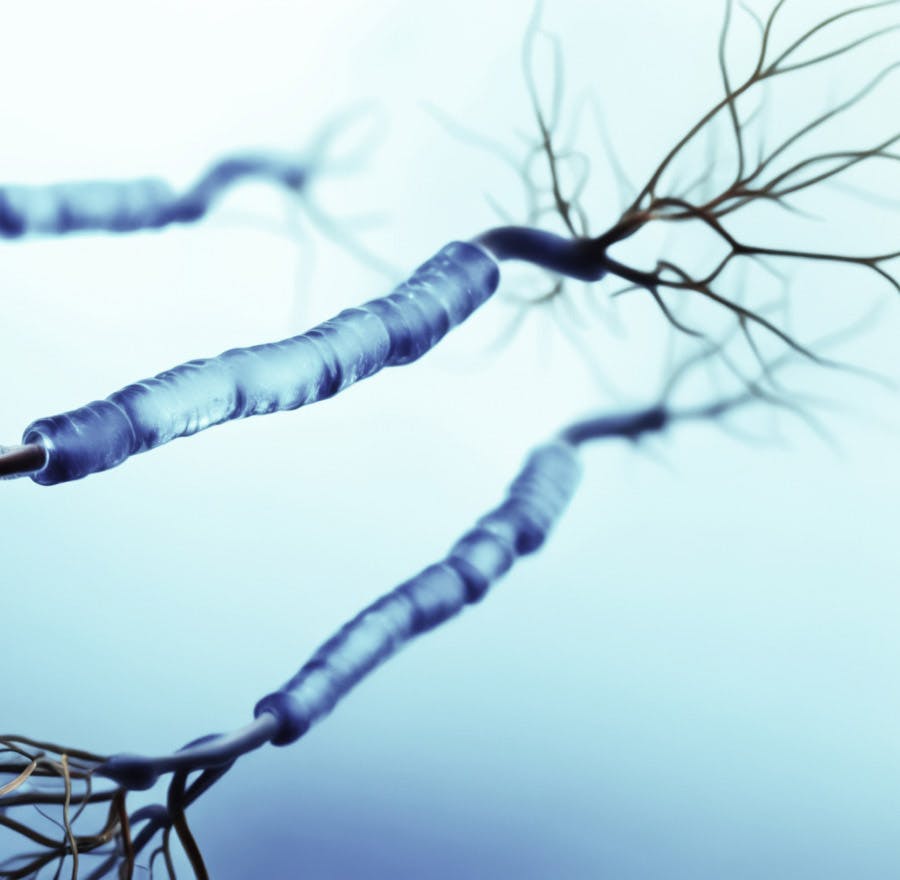
closeup of brain nerves

How is Deep Brain Stimulation Performed?

The Deep Brain Stimulation procedure is typically done in two stages. First, electrodes are implanted in the targeted areas of your brain during minimally invasive surgery. The second stage involves placing the neurostimulator in the chest, connected to the brain electrodes via small wires routed under the skin. Once activated, the device sends electrical signals to the brain to help manage symptoms. DBS is often performed while the patient is awake so doctors can monitor brain activity during electrode placement. Most patients can go home a few days after the procedure and return for device programming to ensure optimal symptom control.

Banner media

Benefits of Deep Brain Stimulation

DBS offers numerous benefits, particularly for patients who haven’t responded well to medications. These benefits may include:

  • Significant reduction in tremors and muscle stiffness
  • Improved ability to perform daily tasks
  • Decreased reliance on medications
  • Long-term symptom management

To find out if you’re a candidate for Deep Brain Stimulation in Valencia & Encino, contact California Neurosurgical Institute to schedule an evaluation with Dr. Liker. Our team of neurosurgeons is here to help you regain control of your life through advanced neurological treatments.

Hear From Our Satisfied Patients

– P.J

It's was very great visit. The dr and nurses were amazing very nice. Dr listened to me and explained everything so I could understand. He made me feel very comfortable.

– C.F

The place was nice and clean the employees were with a smile on their face and they were very friendly. And my doctor he is interested in my health and asks me how I was doing how I have been. They...

– T.G.

My mom Vera has been here a few times now, and I have to say it's a very pleasant atmosphere. Everyone from the front desk to the young man who helped with my moms EEG is so nice. She's only seen t...

– A.A.

I found the people courteous and kind.  The doctor seemed knowledgeable and helpful as to my physical situation.  I look forward to the treatment to alleviate same.

– A.T.

The front desk staff were all very helpful, kind and funny!  The nurse Esme who checked me in was very nice and thorough.
I absolutely loved my Dr. I can remember his name but he was very kind...

– J.S.

Suffered with Sciatica pain for over a year which was debilitating to say the least. Dr Lobo and his staff took great care of me and made arrangements around my schedule to make it work. Huge thank...

– K.M.

I recently had level 2 fusion by Dr. Liker and 2 weeks post OP I am doing GREAT! Dr. Liker and his staff are amazing and I am very grateful he was my surgeon. I have friends that have had other sur...

– S.R.

Dr Liker and Maureen make the greatest team. Dr Liker is friendly, speaks to the point, AND HE CARES. He performed a laminectomy for adult tethered cord syndrome on me, a 53-year old woman. I am st...

Deep Brain Stimulation FAQ's

What is deep brain stimulation (DBS)?

Deep brain stimulation (DBS) is a neurosurgical treatment that uses implanted electrodes and a neurostimulator device to deliver controlled electrical impulses to specific areas of the brain. These signals help regulate abnormal brain activity associated with certain neurological conditions.

What conditions can deep brain stimulation treat?

DBS is commonly used to help manage symptoms associated with neurological conditions such as Parkinson’s disease, essential tremor, dystonia, and obsessive-compulsive disorder (OCD). While DBS does not cure these conditions, it may help reduce symptoms and improve quality of life.

Who may be a candidate for deep brain stimulation?

Candidates for DBS may include patients with movement disorders who have symptoms that are not adequately controlled with medication. Individuals may be considered if tremors, motor difficulties, or other symptoms significantly affect daily activities and quality of life.

What happens during a deep brain stimulation evaluation?

A DBS evaluation includes a review of your medical history, symptoms, previous treatments, and a neurological examination. Additional imaging, such as MRI or CT scans, may be used to help identify the precise areas of the brain that may benefit from stimulation.

How is deep brain stimulation performed?

DBS is typically performed in two stages. First, electrodes are placed in targeted areas of the brain through minimally invasive surgery. Next, a neurostimulator device is implanted under the skin of the chest and connected to the electrodes with wires placed beneath the skin.

Is the patient awake during deep brain stimulation surgery?

In many cases, DBS surgery is performed while the patient is awake so the surgical team can monitor brain activity and optimize electrode placement. The specific approach depends on the patient’s condition and treatment plan.

How does deep brain stimulation help control symptoms?

DBS works by sending electrical impulses to targeted areas of the brain to help regulate abnormal neural activity. This may reduce symptoms such as tremors, muscle stiffness, and other movement-related difficulties.

What are the benefits of deep brain stimulation?

Potential benefits of DBS may include reduced tremors and muscle stiffness, improved ability to complete daily activities, reduced dependence on medications, and long-term management of symptoms for eligible patients.

How long does recovery take after deep brain stimulation surgery?

Many patients can leave the hospital a few days after DBS surgery. After the procedure, follow-up appointments are scheduled to program and adjust the neurostimulator to achieve the best possible symptom control.

How do I know if deep brain stimulation is right for me?

Determining whether DBS is appropriate requires a comprehensive evaluation by a neurosurgical team. Your provider will assess your condition, symptoms, previous treatments, and overall health to determine if DBS may be a suitable treatment option.

Contact us media
Contact us media
Accessibility: If you are vision-impaired or have some other impairment covered by the Americans with Disabilities Act or a similar law, and you wish to discuss potential accommodations related to using this website, please contact our Accessibility Manager at (661) 799-2542.
Contact Us