Understanding The Condition

California Neurosurgical Institute is committed to ensuring our patients understand the condition. We believe the first step to addressing a condition is becoming educated on the condition and the options for treatment.

smiling couple

Trigeminal Neuralgia

Trigeminal neuralgia is a condition characterized by sudden, severe facial pain that can be triggered by simple activities such as talking or touching the face. This pain is caused by the compression of the trigeminal nerve. This nerve is composed of three main branches responsible for different areas of sensation in the face, namely the top, middle, and lower portions. “Neuralgia” comes from ancient Greek and means literally “nerve pain.” The episodes can be extremely painful and debilitating. One of the most critical steps in managing trigeminal neuralgia is making the correct diagnosis since it can often be misdiagnosed as tooth cavities or severe migraines.
Hemifacial Spasm

Hemifacial Spasm involves involuntary, rhythmic contractions of the muscles on one side of the face. This condition is often caused by irritation or compression of the facial nerve. It can lead to noticeable facial twitching and may impact daily activities and self-esteem.

Banner media

Initial Treatment Options

Before considering trigeminal neuralgia & hemifacial spasm surgery in Valencia & Encino, our team explores conservative treatment options to manage your symptoms effectively:

  • Medications: Anticonvulsants and muscle relaxants may help alleviate pain or muscle spasms.
  • Physical Therapy: Techniques to improve facial muscle control and reduce discomfort.
  • BOTOX Injections: For Hemifacial spasm, BOTOX can be used to relax affected muscles and provide temporary relief.

If conservative methods do not provide sufficient relief, surgical options may be considered.

Surgical Treatments at California Neurosurgical Institute

Our expert neurosurgical team utilizes advanced surgical techniques to address trigeminal neuralgia and hemifacial spasm, focusing on providing the most positive outcomes with minimal disruption to your life. Trigeminal neuralgia surgery options in Valencia & Encino with our team include:

  • Microvascular Decompression (MVD): This is a highly effective surgical procedure where a small cushioning pad is placed between the trigeminal nerve and the blood vessel compressing it. This procedure helps relieve the pain by alleviating the pressure on the nerve. It is performed under general anesthesia and through a small incision behind the ear. Patients are monitored overnight in the hospital and may be discharged the next day.
  • Balloon Compression Rhizotomy: This technique involves applying pressure directed near the root of the trigeminal nerve. The objective is to interrupt pain transmission. The procedure is performed under general anesthesia and involves using a needle to introduce a catheter with a small balloon at its tip. The needle is inserted through the cheek and guided into a specific hole in the base of the skull, called the foramen ovale, with X-ray guidance. The balloon catheter is placed along the branch point of the trigeminal nerve (the Gasserian ganglion) and inflated for 45 to 90 seconds to stop the nerve from misfiring. The balloon is deflated, and the needle is removed. The patient may go home the same day.
  • Gamma Knife Radiosurgery: A non-invasive option where a focused radiation “knife” is used to target and disrupt the nerve’s ability to transmit pain signals without making any physical incisions. This is usually considered when other methods are not suitable because of the location of the affected nerve.

Hemifacial Spasm surgery options include the following:

  • Microvascular Decompression (MVD): Similar to its use in trigeminal neuralgia, MVD can also be effective for hemifacial spasm. The procedure involves moving the blood vessel causing the compression of the facial nerve and placing a small cushion to prevent further contact.
  • Selective Neurolysis: This procedure involves selectively cutting the nerve to interrupt abnormal nerve impulses responsible for muscle contractions. It can help reduce or get rid of the spasms but will often cause permanent weakness. As such, it is not routinely employed.
  • BOTOX Injections: Although not a surgical procedure, BOTOX injections can be used for long-term management of hemifacial spasm by relaxing the affected facial muscles.
Banner media

Our Commitment to Care

At California Neurosurgical Institute, we are dedicated to providing personalized and compassionate care throughout your treatment journey. From initial evaluation to post-surgical rehabilitation, our team of orthopedic specialists in Encino & Valencia is here to support you every step of the way. During your first visit we’ll thoroughly discuss your symptoms, evaluate your condition, and determine the most appropriate surgical option.

After your surgery, prepare to take some days in the hospital. Everyone’s home rest period is different but be gentle on yourself as you fully recover over the following weeks or months as prescribed by your surgeon. Our comprehensive follow-up care includes monitoring your recovery, managing any side effects, and directing rehabilitation to help you regain normal function.

Take the First Step Toward Relief

If you are struggling with trigeminal neuralgia or hemifacial spasm and have not found relief with conservative treatments, it may be time to explore surgical options. Contact California Neurosurgical Institute today to schedule a consultation. Our team is here to offer expert care and support to help you find relief.

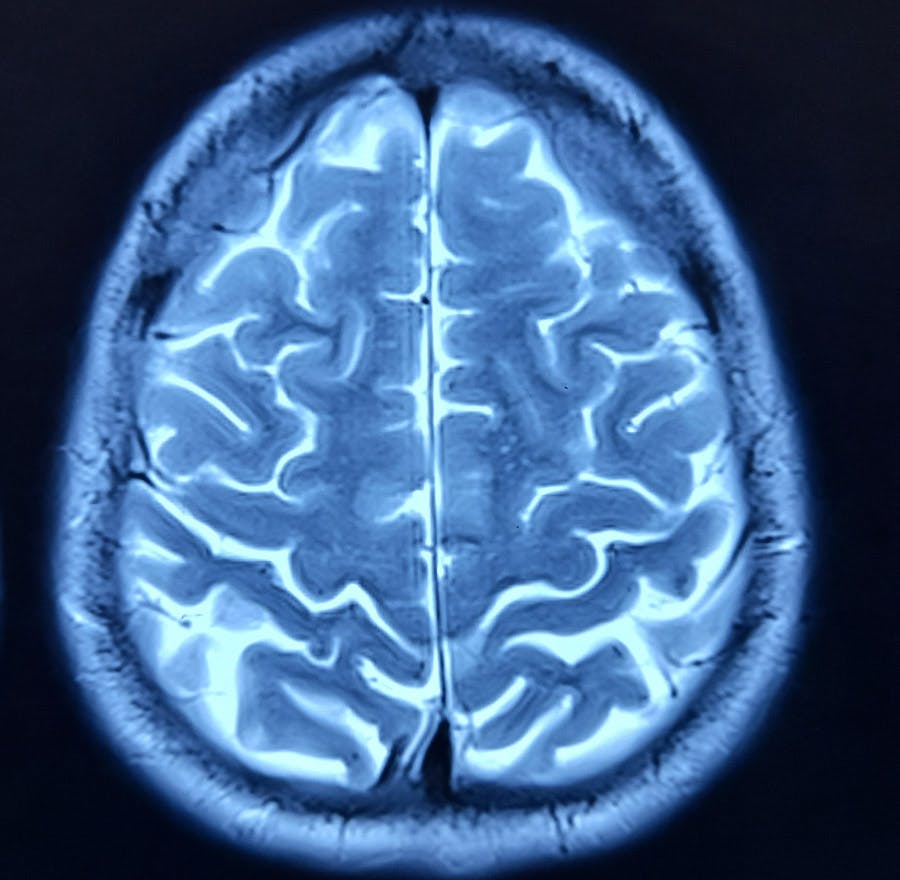
an x-ray image of a brain

Trigeminal Neuralgia and Hemifacial Spasm FAQ's

What is trigeminal neuralgia?

Trigeminal neuralgia is a condition that causes sudden, severe facial pain due to irritation or compression of the trigeminal nerve. The pain may occur in different areas of the face because the nerve has branches that control sensation in the upper, middle, and lower portions of the face.

What symptoms are associated with trigeminal neuralgia?

Symptoms of trigeminal neuralgia may include intense facial pain that can be triggered by everyday activities such as talking, touching the face, or other mild stimulation. Because symptoms can resemble dental problems or migraines, an accurate diagnosis is an important part of treatment.

What is hemifacial spasm?

Hemifacial spasm is a neurological condition that causes involuntary, rhythmic twitching or contractions of the muscles on one side of the face. It is commonly related to irritation or compression of the facial nerve and may affect daily activities and confidence.

What non-surgical treatments are available for trigeminal neuralgia and hemifacial spasm?

Initial treatment options may include medications such as anticonvulsants or muscle relaxants, physical therapy techniques, and BOTOX injections for managing hemifacial spasm symptoms. If these approaches do not provide enough relief, surgical options may be considered.

What is microvascular decompression surgery?

Microvascular decompression (MVD) is a surgical procedure that treats nerve compression by placing a small cushioning material between the affected nerve and the blood vessel causing irritation. It may be used for both trigeminal neuralgia and hemifacial spasm.

How is balloon compression rhizotomy performed for trigeminal neuralgia?

Balloon compression rhizotomy involves placing a small balloon catheter near the trigeminal nerve using image guidance. The balloon is briefly inflated to disrupt abnormal pain signals from the nerve, after which the catheter is removed.

What is Gamma Knife radiosurgery for trigeminal neuralgia?

Gamma Knife radiosurgery is a non-invasive treatment that uses focused radiation to target the trigeminal nerve and reduce its ability to transmit pain signals. It may be considered for patients who are not candidates for other surgical approaches.

Can BOTOX help treat hemifacial spasm?

BOTOX injections may help manage hemifacial spasm by relaxing the affected facial muscles and reducing involuntary contractions. This treatment provides symptom relief but does not address the underlying nerve compression.

What happens during a consultation for trigeminal neuralgia or hemifacial spasm treatment?

During an evaluation, the neurosurgical team will review your symptoms, assess your condition, and discuss available treatment options based on your individual needs. This helps determine whether conservative care or surgery may be appropriate.

What can patients expect after surgery for trigeminal neuralgia or hemifacial spasm?

Recovery varies depending on the procedure performed. Patients may spend time in the hospital following surgery and will receive follow-up care to monitor healing, manage side effects, and support rehabilitation as they return to normal activities.

Contact us media
Contact us media
Accessibility: If you are vision-impaired or have some other impairment covered by the Americans with Disabilities Act or a similar law, and you wish to discuss potential accommodations related to using this website, please contact our Accessibility Manager at (661) 799-2542.
Contact Us