
At California Neurosurgical Institute, our board certified surgeons, understand that back and nerve pain can significantly impact your quality of life. Our spine and peripheral nerve surgery services are designed to provide relief for individuals experiencing chronic pain or discomfort. Our expert team employs advanced techniques to ensure you receive the highest level of care.
Spine & Peripheral Nerve Surgery in Valencia and Encino
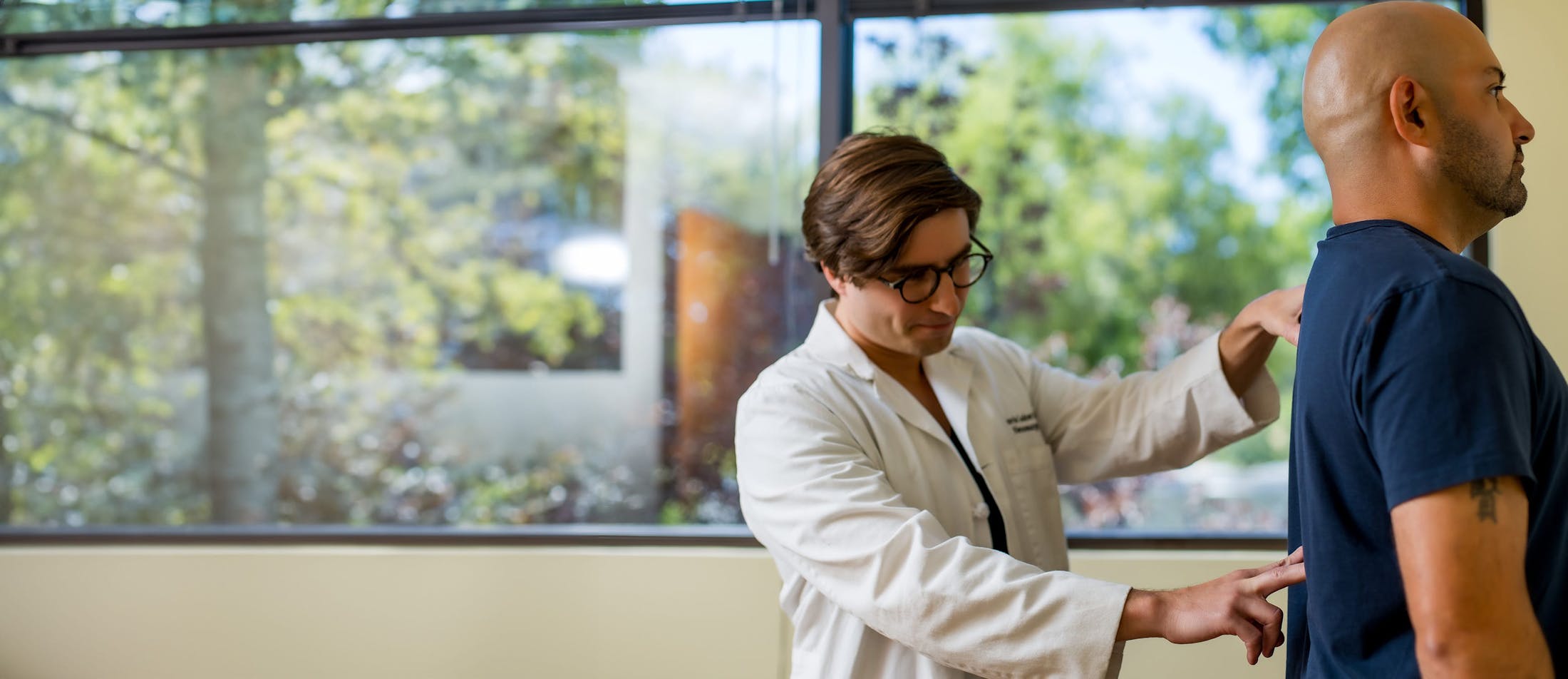


Surgical Solutions for Back Pain
Spine and peripheral nerve surgeries are specialized procedures to alleviate pain and restore function for conditions affecting the spine and nervous system. These surgeries are considered when conservative treatments, such as physical therapy or medication, are not sufficient. Our team utilizes state-of-the-art technology and techniques tailored to your condition to deliver precise and effective results.

Artificial Disc Replacement
Artificial Disc Replacement
This surgery replaces a damaged spinal disc with an artificial one to relieve pain and restore normal movement in the spine.
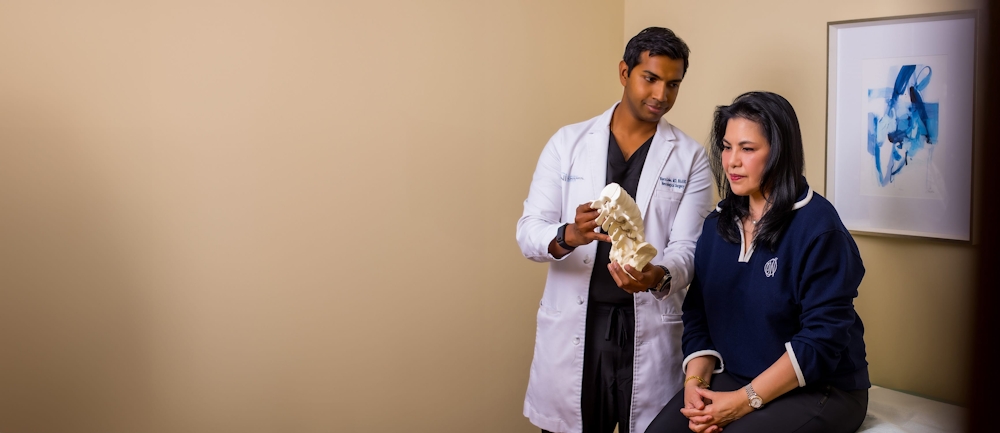
Minimally Invasive Surgical Decompression
Minimally Invasive Surgical Decompression
This procedure removes pressure from compressed nerves in the spine, which can relieve pain, numbness, and weakness in the back and legs.

Minimally Invasive Spinal Fusion for Instability
Minimally Invasive Spinal Fusion for Instability
This surgery fuses unstable spinal bones together to provide better support and reduce pain.
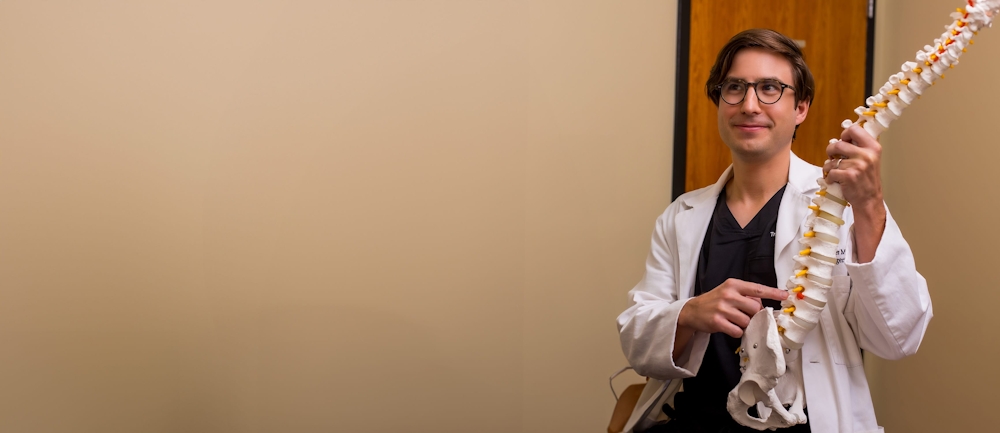
Corrective Surgery for Spinal Deformity, Scoliosis, and Sagittal Imbalance
Corrective Surgery for Spinal Deformity, Scoliosis, and Sagittal Imbalance
This surgery straightens and stabilizes the spine to correct abnormal curvatures and improve posture and function.
Revision Surgery for Failed Fusions
Revision Surgery for Failed Fusions
This procedure corrects problems from a previous spinal fusion that didn’t heal properly or didn’t relieve symptoms.
Spinal Cord Stimulators
Spinal Cord Stimulators
This surgery implants a device that sends electrical signals to the spinal cord to block pain signals and help manage chronic pain.
Removal of Spinal Tumors
Removal of Spinal Tumors
This surgery removes tumors from the spine to relieve pain, prevent further damage, and improve spinal function.

Carpal Tunnel and Ulnar Nerve Release Surgery
Carpal Tunnel and Ulnar Nerve Release Surgery
These surgeries relieve pressure on nerves in the wrist or elbow to reduce pain, tingling, and numbness in the hands or fingers.

Peripheral Nerve Tumors
Peripheral Nerve Tumors
This surgery removes tumors from nerves outside of the brain and spinal cord to relieve pain and prevent further nerve damage.
A Three-Step Overview
The process for spine and peripheral nerve surgery in Valencia & Encino at California Neurosurgical Institute generally involves the following steps:
- Preoperative Consultation: Detailed evaluation and diagnostic tests to determine the optimal surgical approach.
- Surgical Procedure: Depending on your condition, surgery may involve techniques such as less invasive endoscopic surgery or traditional open surgery to address spinal or nerve issues.
- Postoperative Care: The California Neurosurgical Institute will provide comprehensive follow-up care to monitor your recovery, manage pain, and guide you through rehabilitation.
Schedule A Consultation
Contact Us

Post-Op: Rest and Recover
Recovery from spine and peripheral nerve surgery varies based on the procedure and the individual’s health. Generally, you can expect an initial hospital stay from a few hours to several days, depending on the complexity of the surgery. Rehabilitation will include physical therapy to aid recovery, improve mobility, and strengthen affected areas. Follow-up appointments to monitor progress and adjust activity levels as needed will continue for several weeks or more.

Surgery Benefits
Opting for spine and peripheral nerve surgeries at California Neurosurgical Institute can offer numerous benefits:
- Effective Pain Relief: Reduction or prevention of chronic back and nerve pain.
- Restored Function: Improved ability to perform daily activities and regain mobility.
- Enhanced Quality of Life: Ability to return to activities that were previously limited by pain or discomfort.
- Advanced Techniques: Minimally invasive options that reduce recovery time and surgical risks.

Spine & Peripheral Nerve Surgery FAQ
How do I know if I need spine or peripheral nerve surgery?
Surgery is typically considered when conservative treatments have not achieved relief, and your condition significantly impacts your daily life and function. Talk to your surgeon about what is right for you.
What are the risks associated with these surgeries?
All surgeries carry some risk. Our team takes extensive measures to minimize these risks and ensure a safe procedure.
Will I need physical therapy after surgery?
Physical therapy is often recommended to support recovery, improve strength, and restore mobility.
How long is the recovery period?
Recovery times vary depending on the specific surgery and individual health, but many patients begin to notice improvements within a few weeks, with full recovery potentially taking several months.
Are these surgeries performed on an outpatient basis?
Some minimally invasive procedures can be outpatient, while more complex surgeries may require an inpatient stay.
What diagnostic tests are typically needed before spine or peripheral nerve surgery?
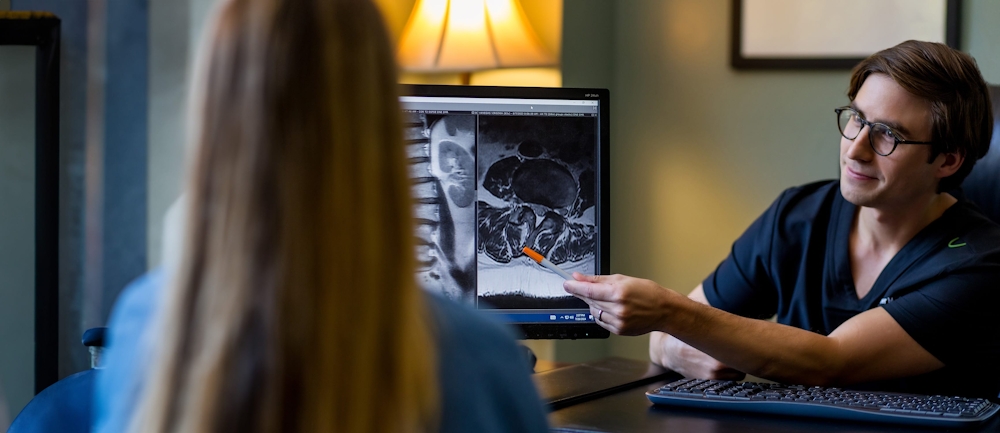
Your surgeon may recommend imaging studies such as MRI, CT scans, X-rays, or nerve conduction studies to accurately diagnose your condition and determine the most effective surgical treatment plan.
What is the advantage of minimally invasive spine surgery compared to traditional surgery?
Minimally invasive techniques often require smaller incisions, cause less disruption to surrounding tissues, reduce postoperative discomfort, and may allow for a faster recovery than traditional open procedures.
Can spine surgery help if I have ongoing leg pain or numbness?
Many spinal conditions can cause symptoms that radiate into the legs, including pain, tingling, numbness, or weakness. Surgery may help relieve these symptoms when nerve compression is identified as the underlying cause.
How soon can I return to normal activities after surgery?
The timeline varies depending on the procedure performed and your overall health. Some patients resume light activities within a few weeks, while more complex procedures may require a longer recovery and rehabilitation period.
What conditions can be treated with peripheral nerve surgery?
Peripheral nerve surgery may be used to address nerve compression, traumatic nerve injuries, nerve tumors, chronic pain conditions, and other disorders affecting nerves outside the brain and spinal cord.